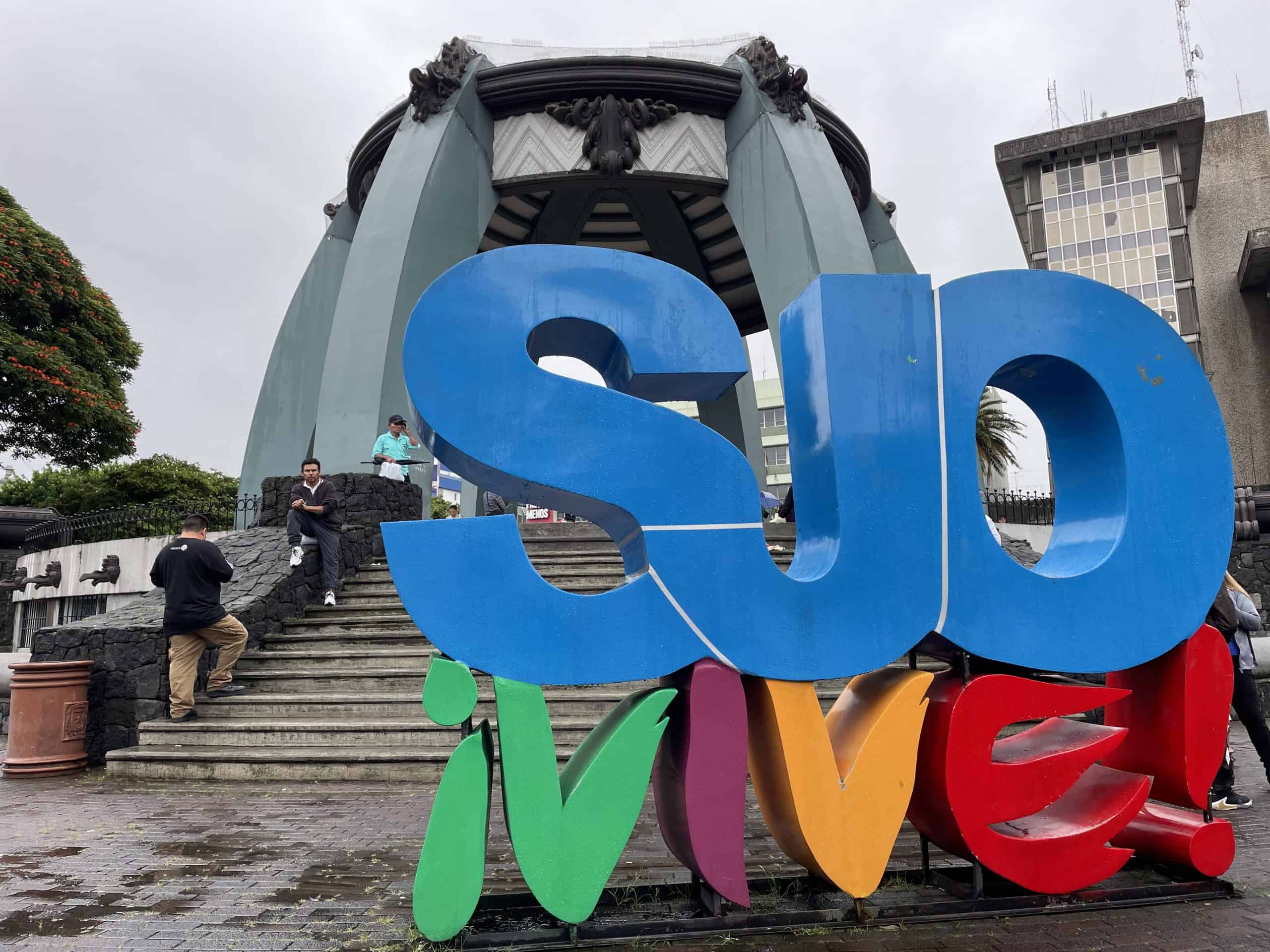

Visiting the capital city
Costa Rica is full of wonder and surprise. Whether you want to wander in a rainforest, go white water rafting, or immerse yourself in the culture of a vibrant city, you can do it Pura Vida style by visiting hidden (and not-so-hidden) gems within San José and on day trips to neighboring regions.
San José, Costa Rica’s capital, is located in the central part of the country, in the San José Province. This is a great place to begin or end your Costa Rica adventure since the largest airport is located in San José. The capital city was the last stop of our two-week adventure and, while we spent one day exploring the city, we also took advantage of its central location to book one more adventurous excursion to the beautiful Limón Province on the Caribbean side of Costa Rica.
Exploring San José someday? Save this article for future planning to help ensure you discover hidden gems in San José, Costa Rica while you’re there.
Stay at one of San José’s hidden gems
San José is vastly different than the Arenal and Guanacaste regions where we started our trip. Here, we stayed at the Hotel Santo Tomas, a registered historic landmark built in 1908, centrally located just blocks from San José’s Central Avenue. Connected to a Wellness Center, the entrance to the hotel is a little unexpected, but as you make your way farther in, you’ll discover it’s hidden gem – a courtyard with a swimming pool, hot tub and open-air cafe where a fresh-cooked, hot breakfast is served daily (included with your room).
Things to do in San José
[Click on images to enlarge]
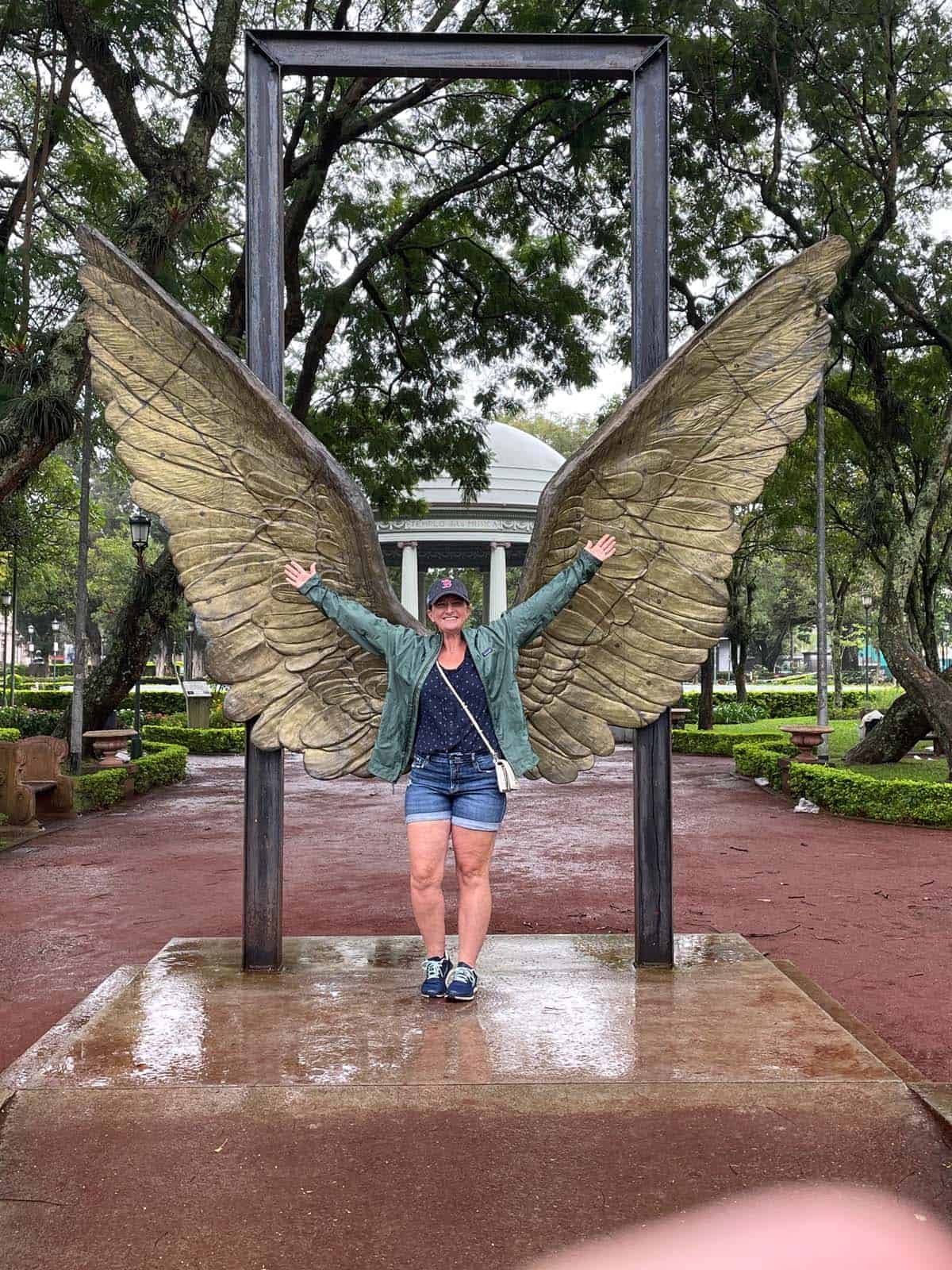

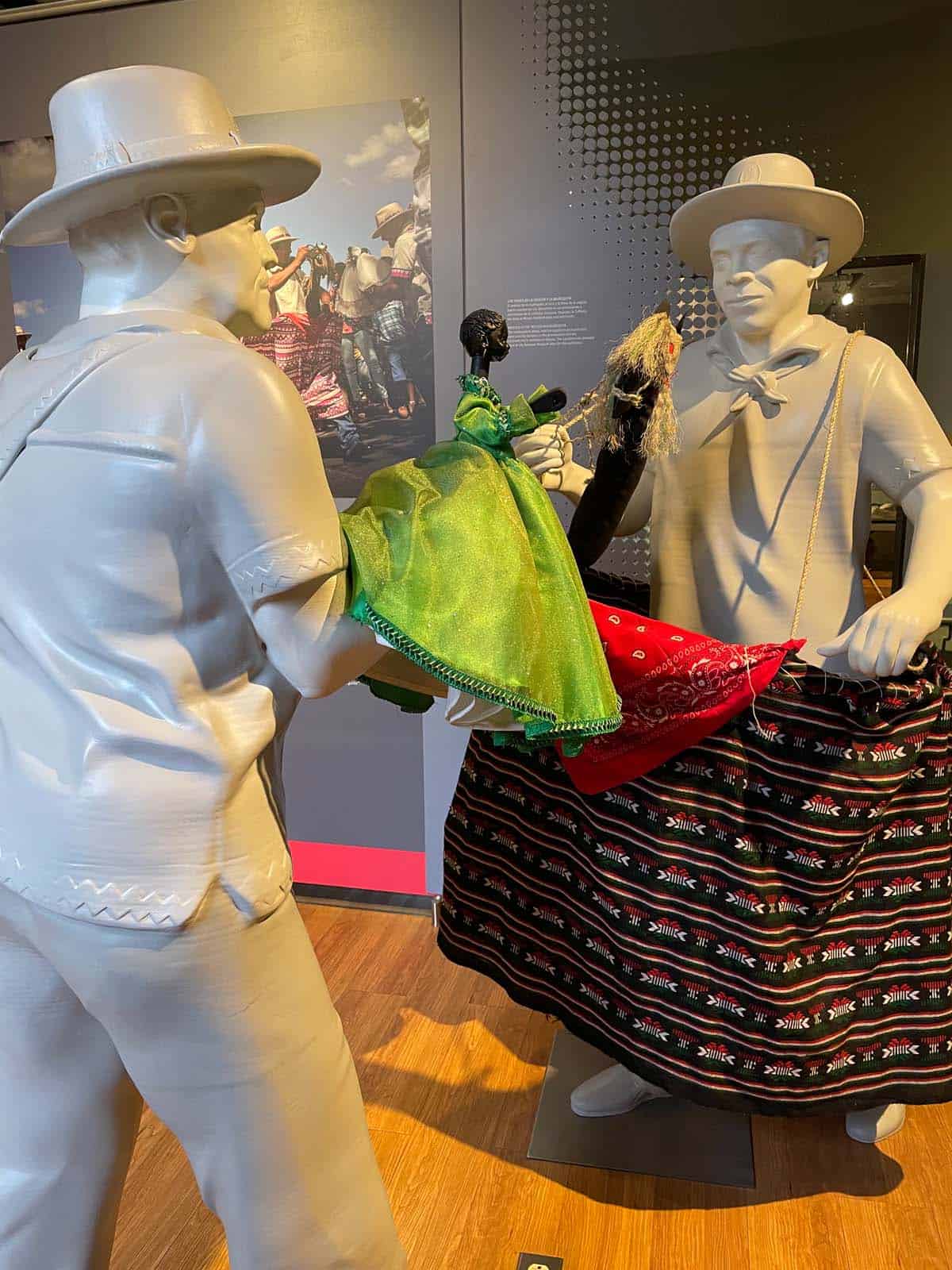
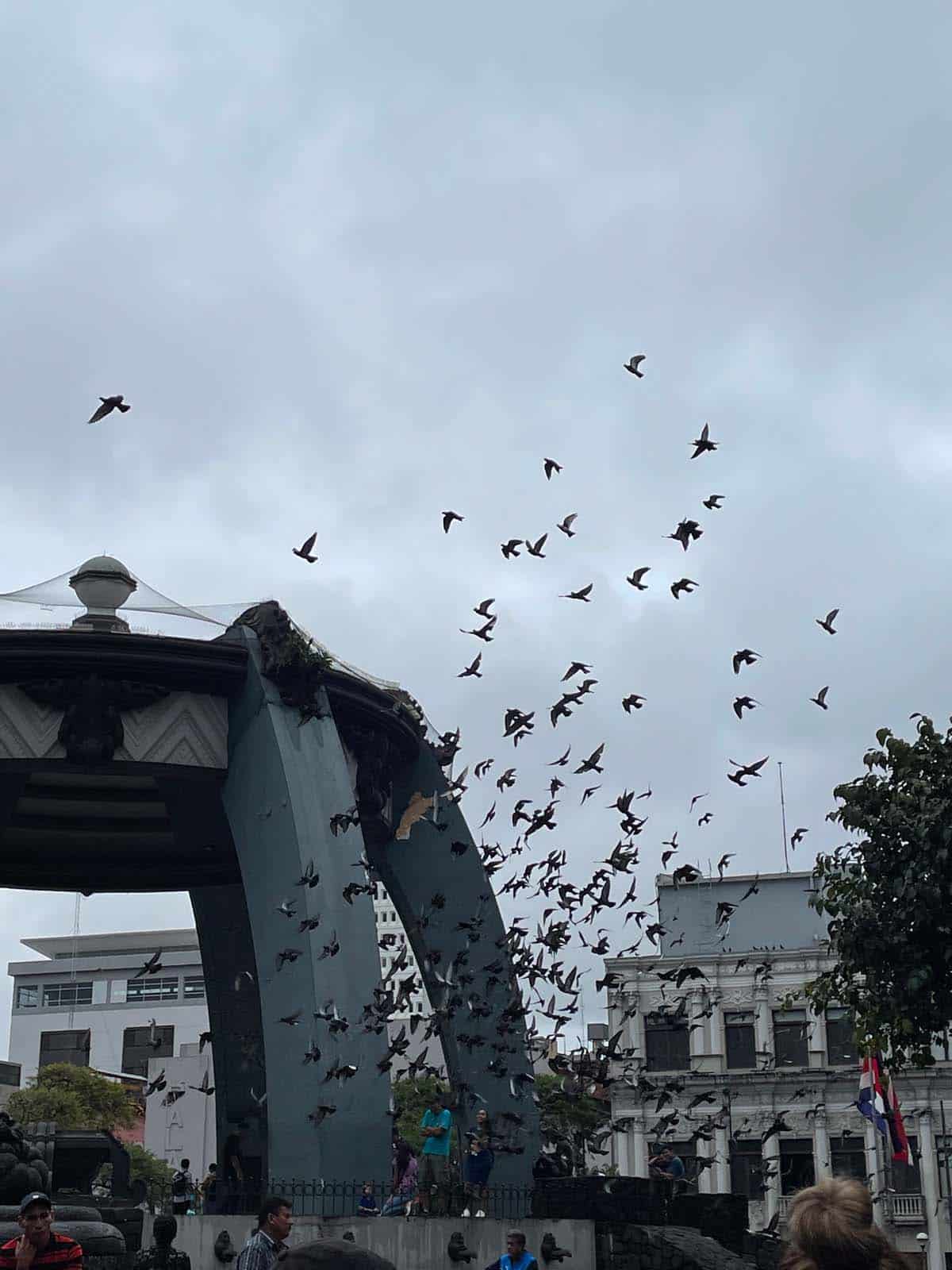
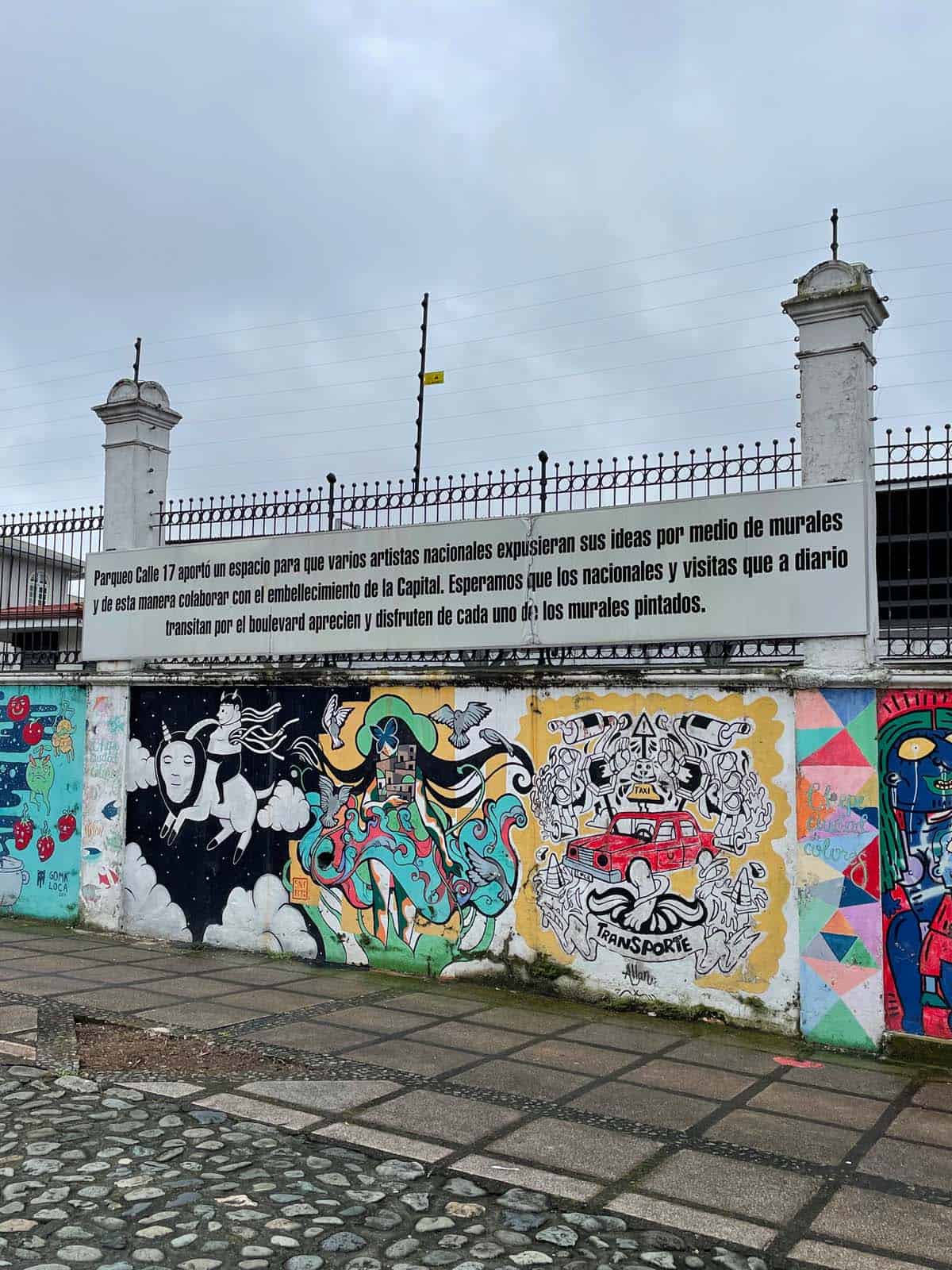
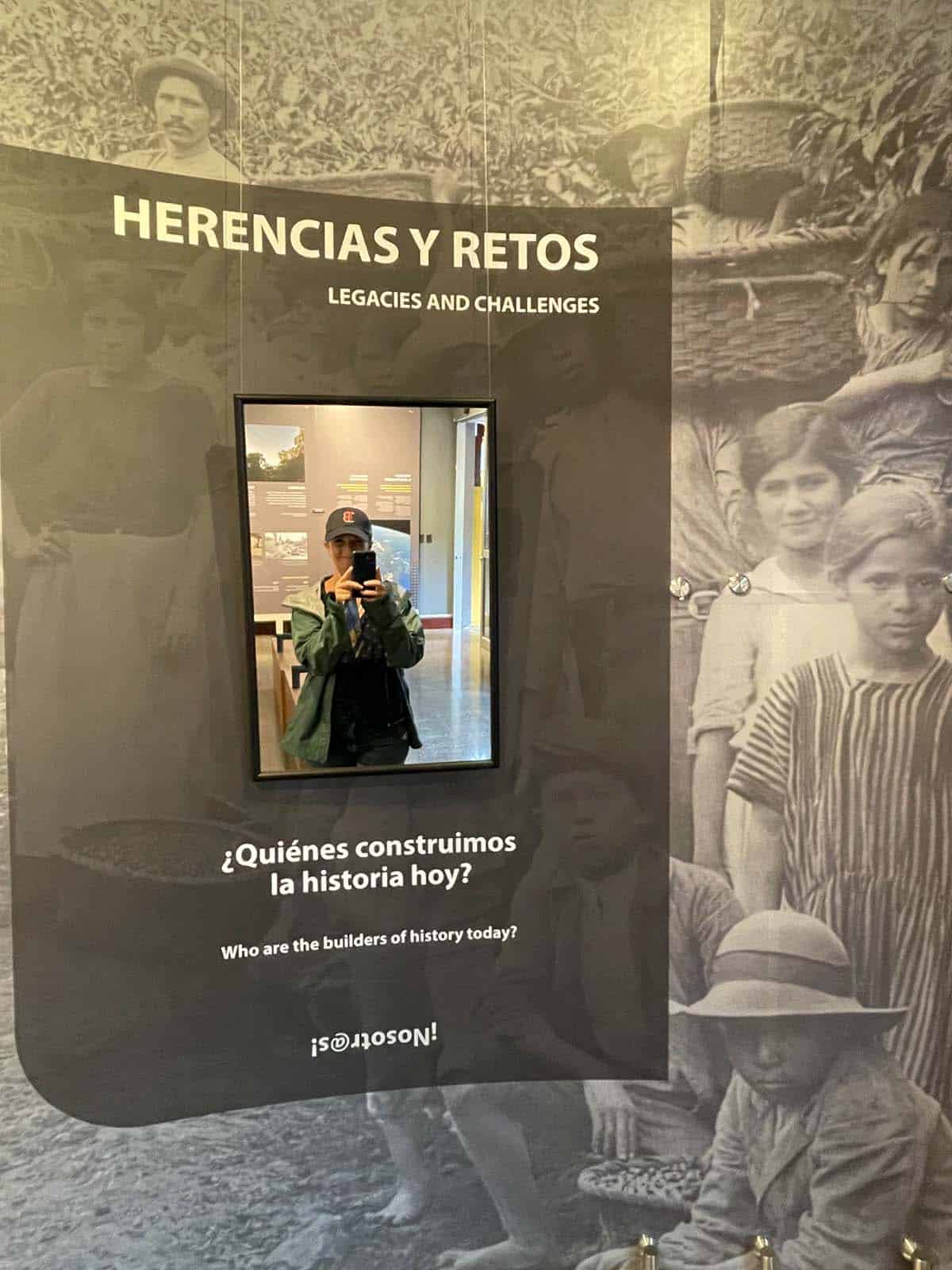
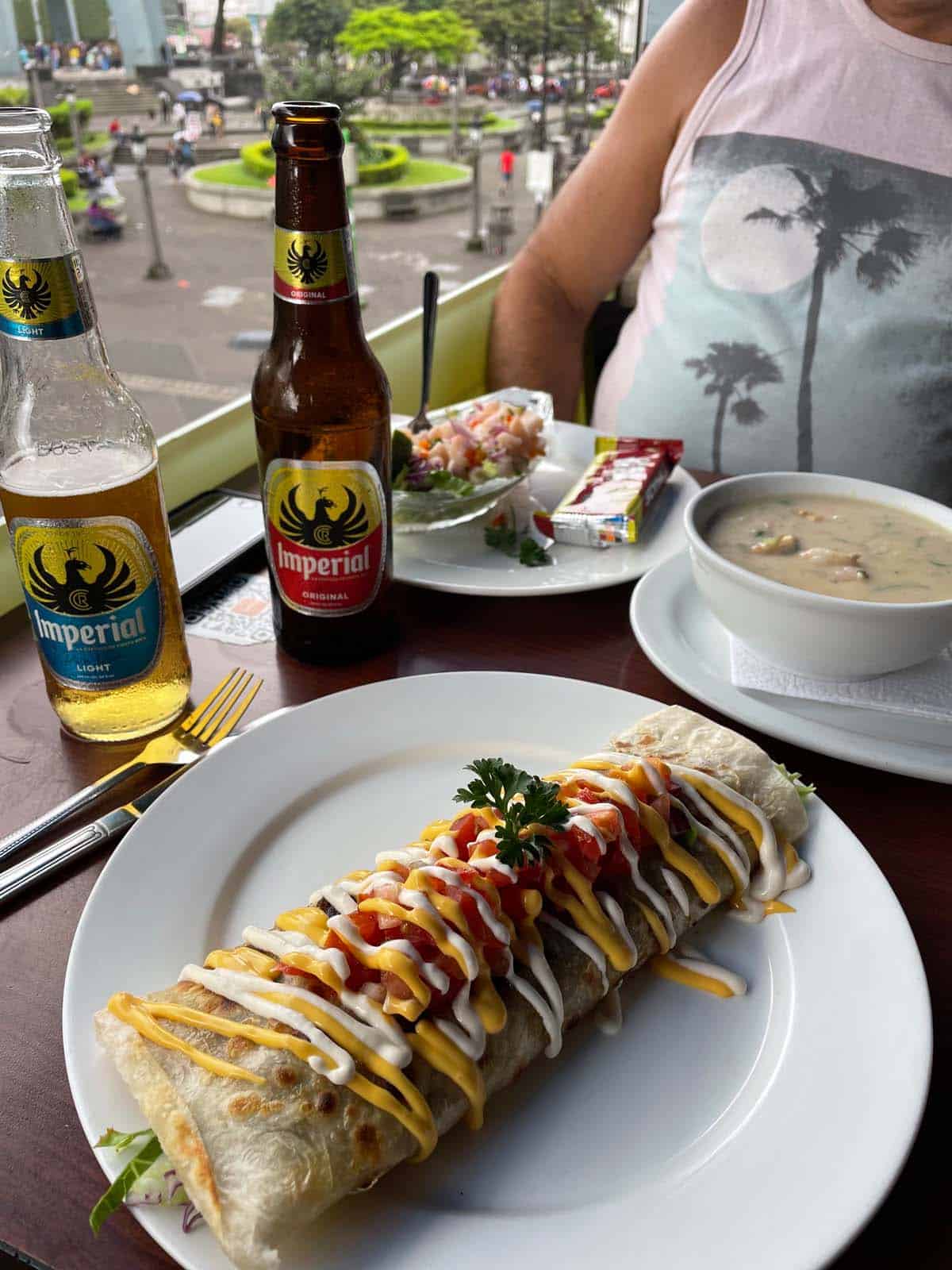
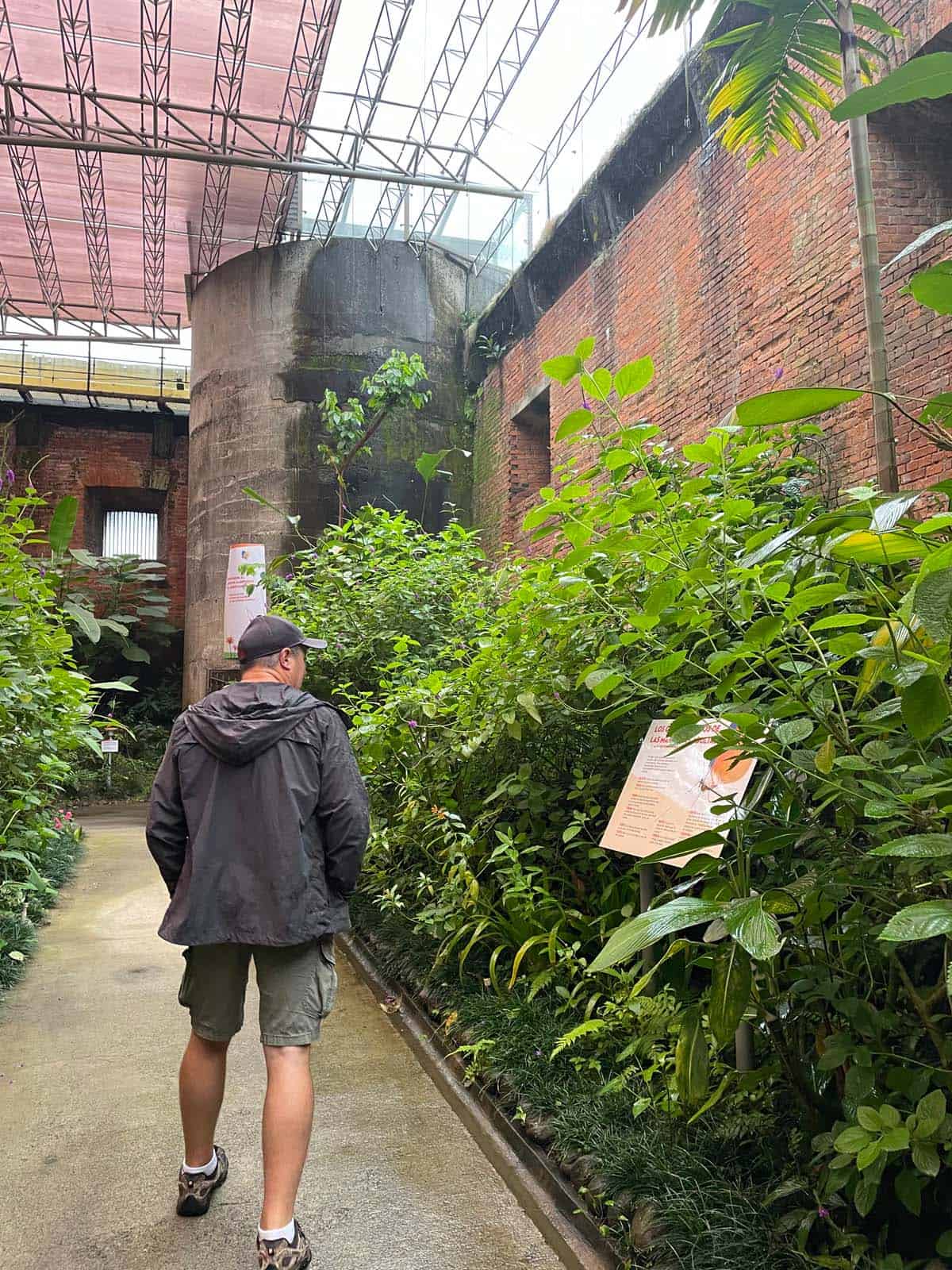
It would be easy to spend a few days in San José, but even with just a short stay, it’s possible to experience a lot of what the city has to offer.
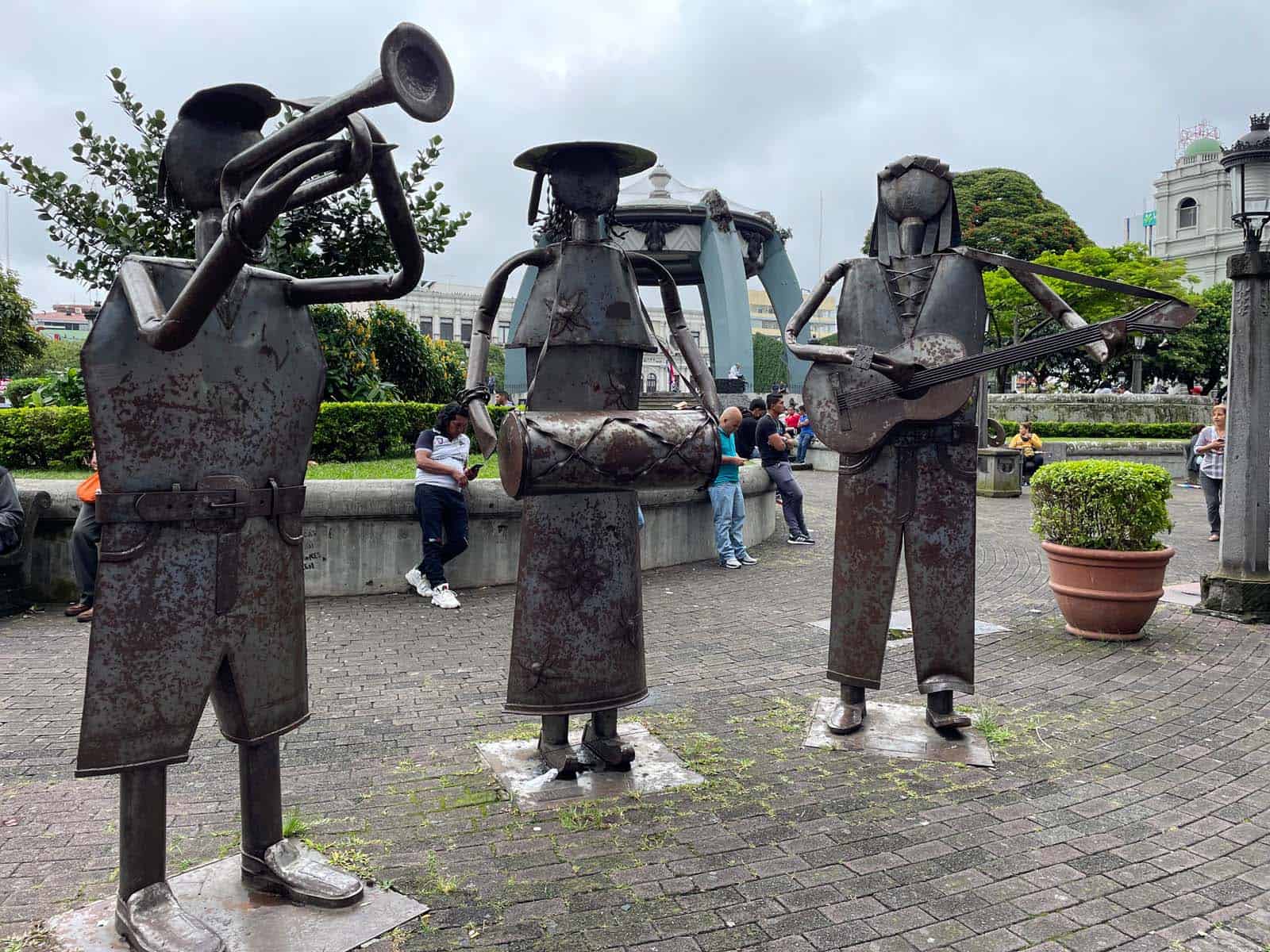
- Walk through Morazán Park, filled with numerous sculptures
- Shop along Avenida Central (Central Avenue) and at the Mercado Central (Central Market), San José’s largest market
- Head to Parque Central de San José (Central Park of San Jose) around which you’ll find several museums and national landmarks to explore
- Tour the Museo National (National Museum of Costa Rica)
- Walk along Graffiti Wall and experience the local artistry
- Take a tour of the National Theater of Costa Rica, then sit and sip cappuccinos in the café
- Stop to say a prayer in the Metropolitan Cathedral of San José
Day trips from San José
Natuwa Wildlife Sanctuary
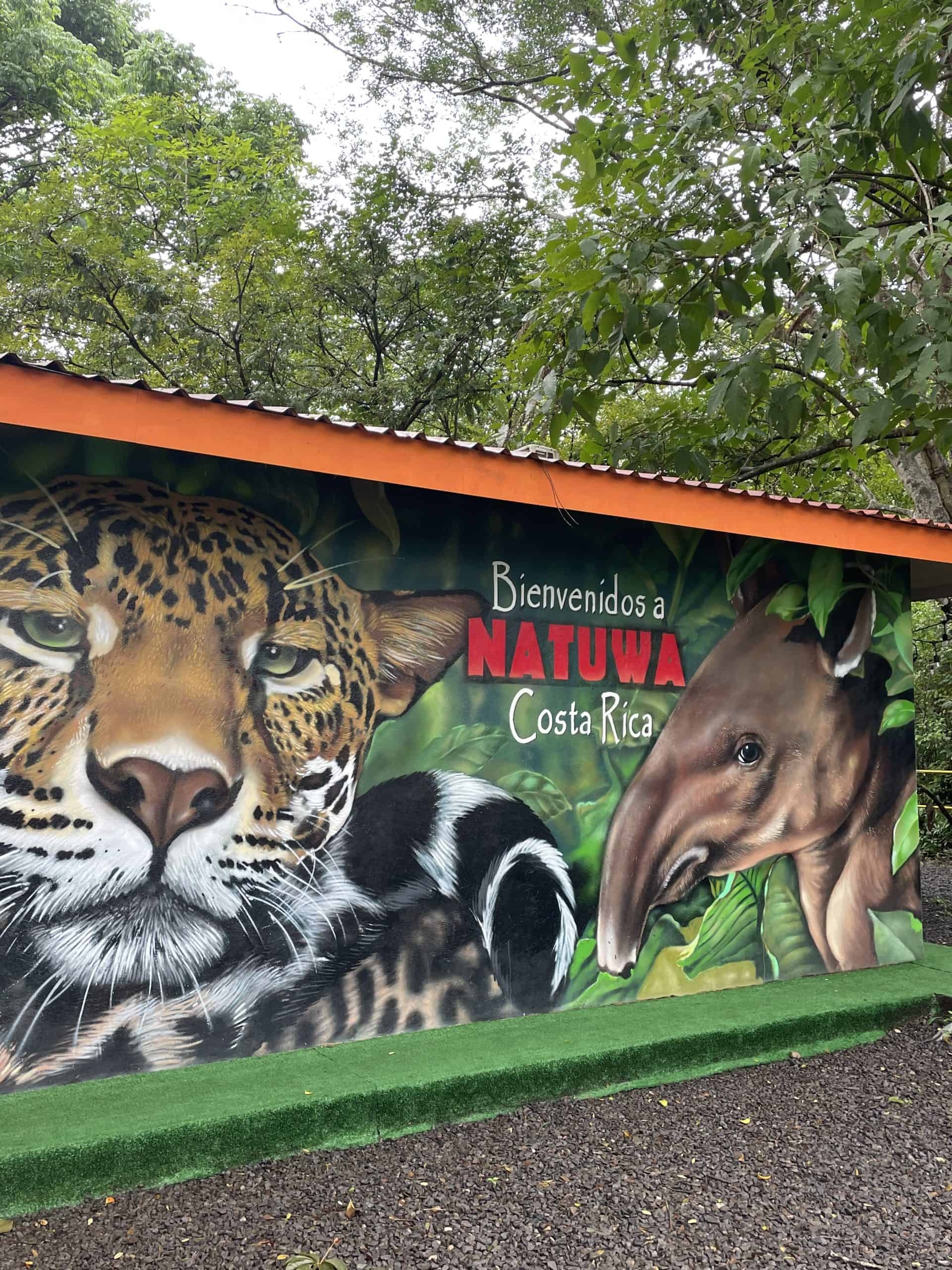
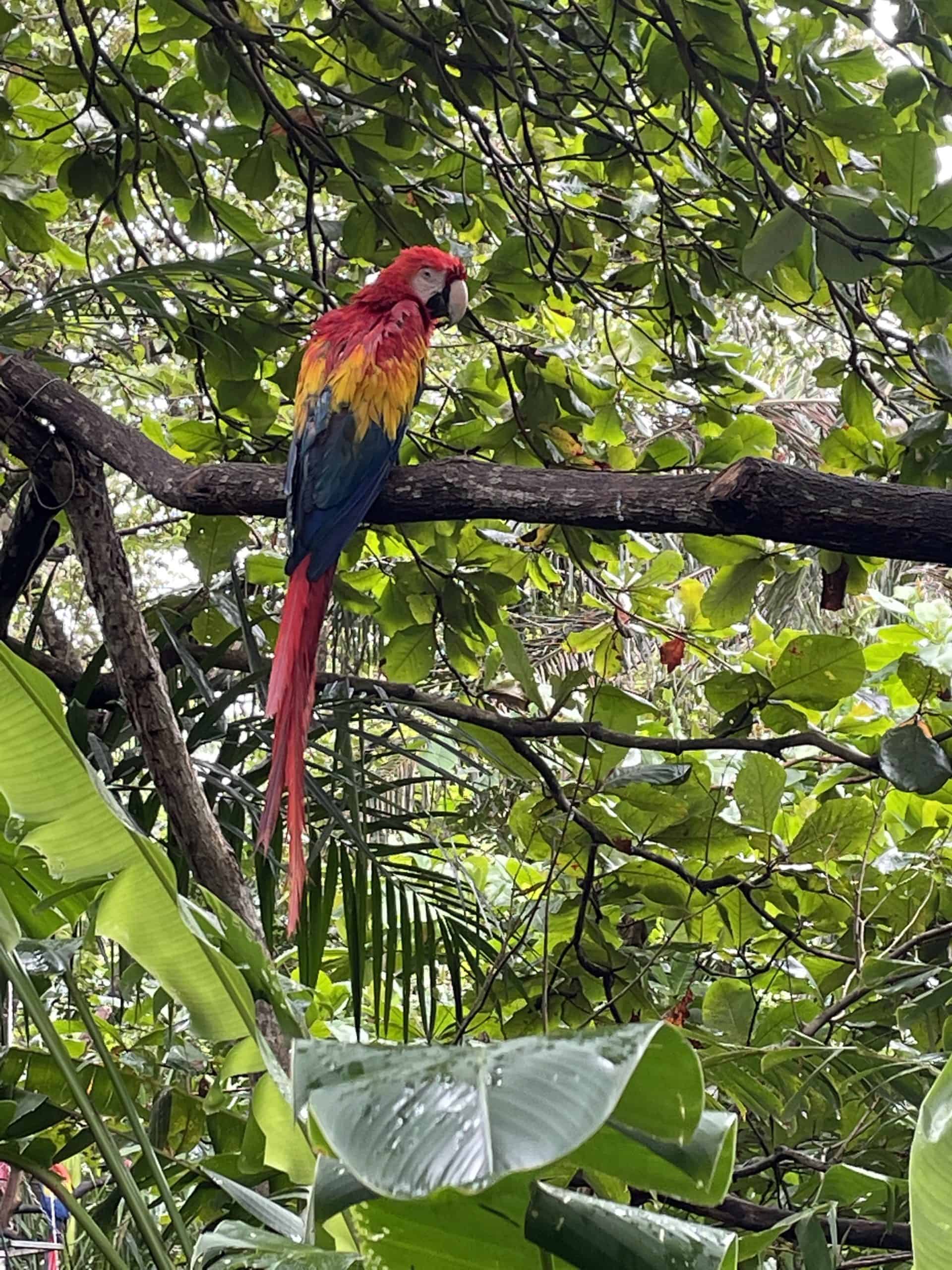
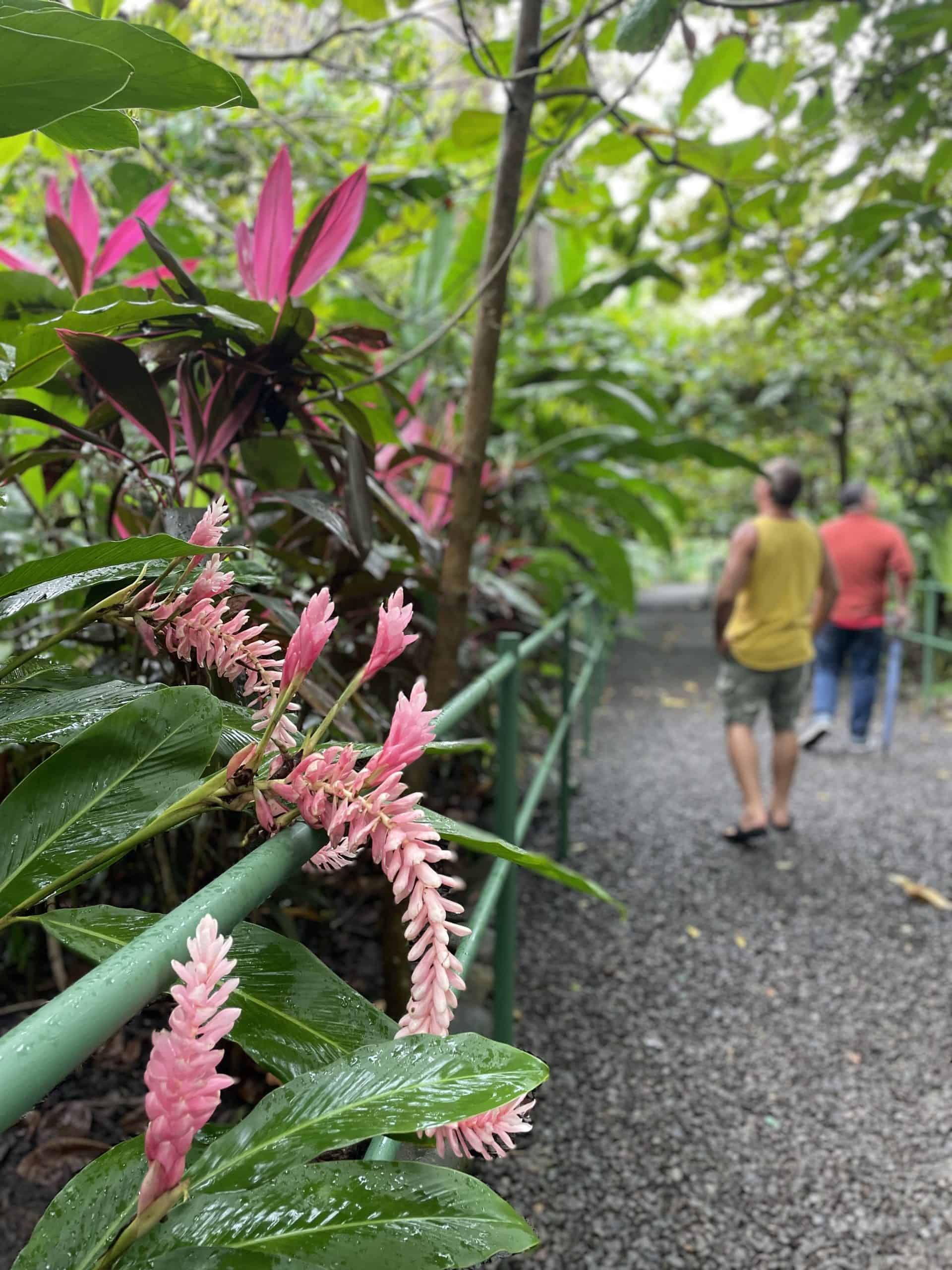
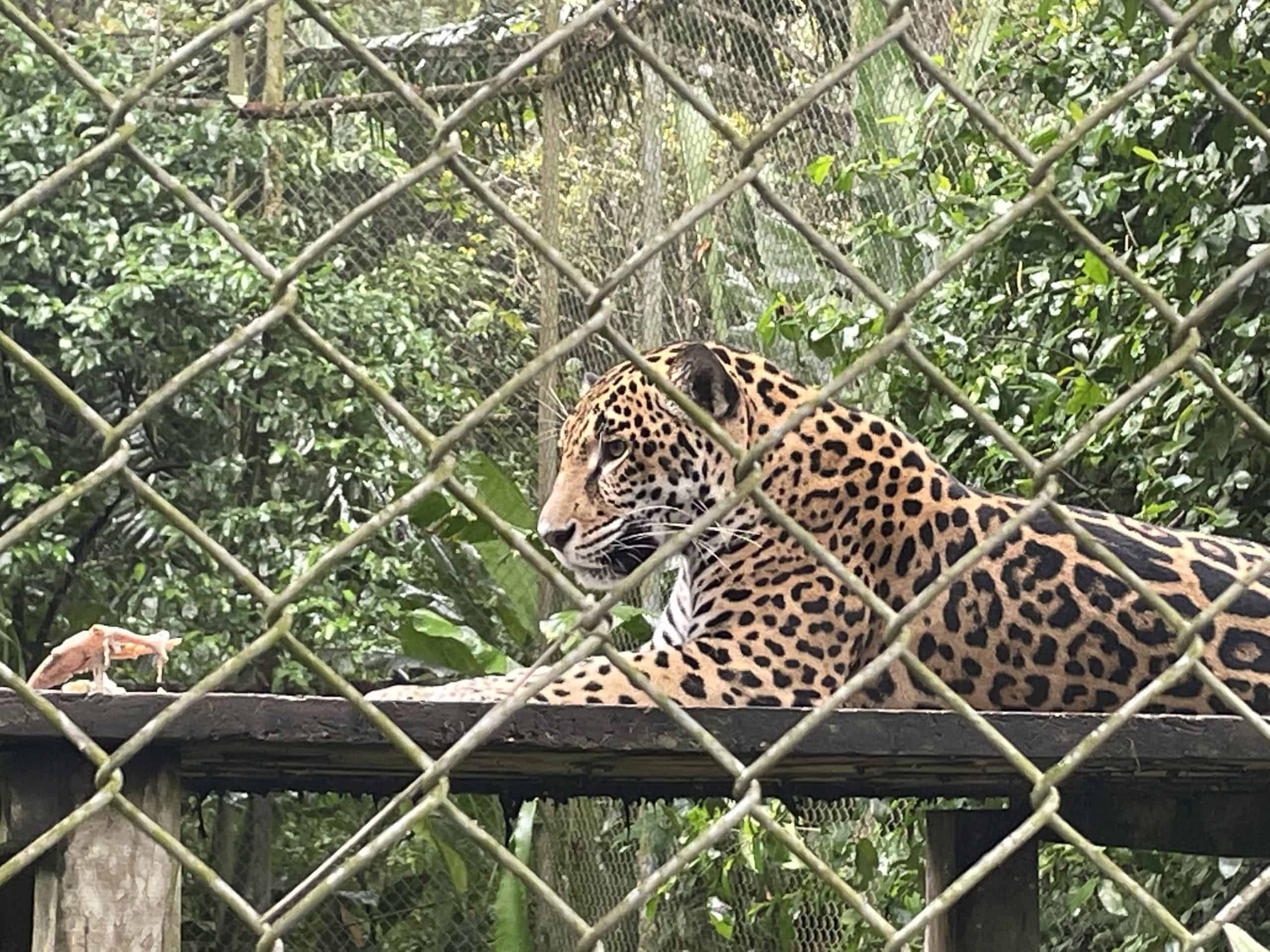
If you fly into the Daniel Oduber Quirós International Airport (LIR) in Liberia and spend some time in the Guanacaste region before arriving in San José, plan to stop at the Natuwa Wildlife Sanctuary along the way.
Natuwa is a volunteer-run wildlife sanctuary that is home to birds and wild animals that have been injured, raised in captivity or moved from their native environment due to deforestation, and are no longer able to survive in the wild. A stop here is well worth the time! While it’s sad to see animals in captivity, Natuwa offers these stunning creatures a safe place to recover and thrive.
Puntarenas
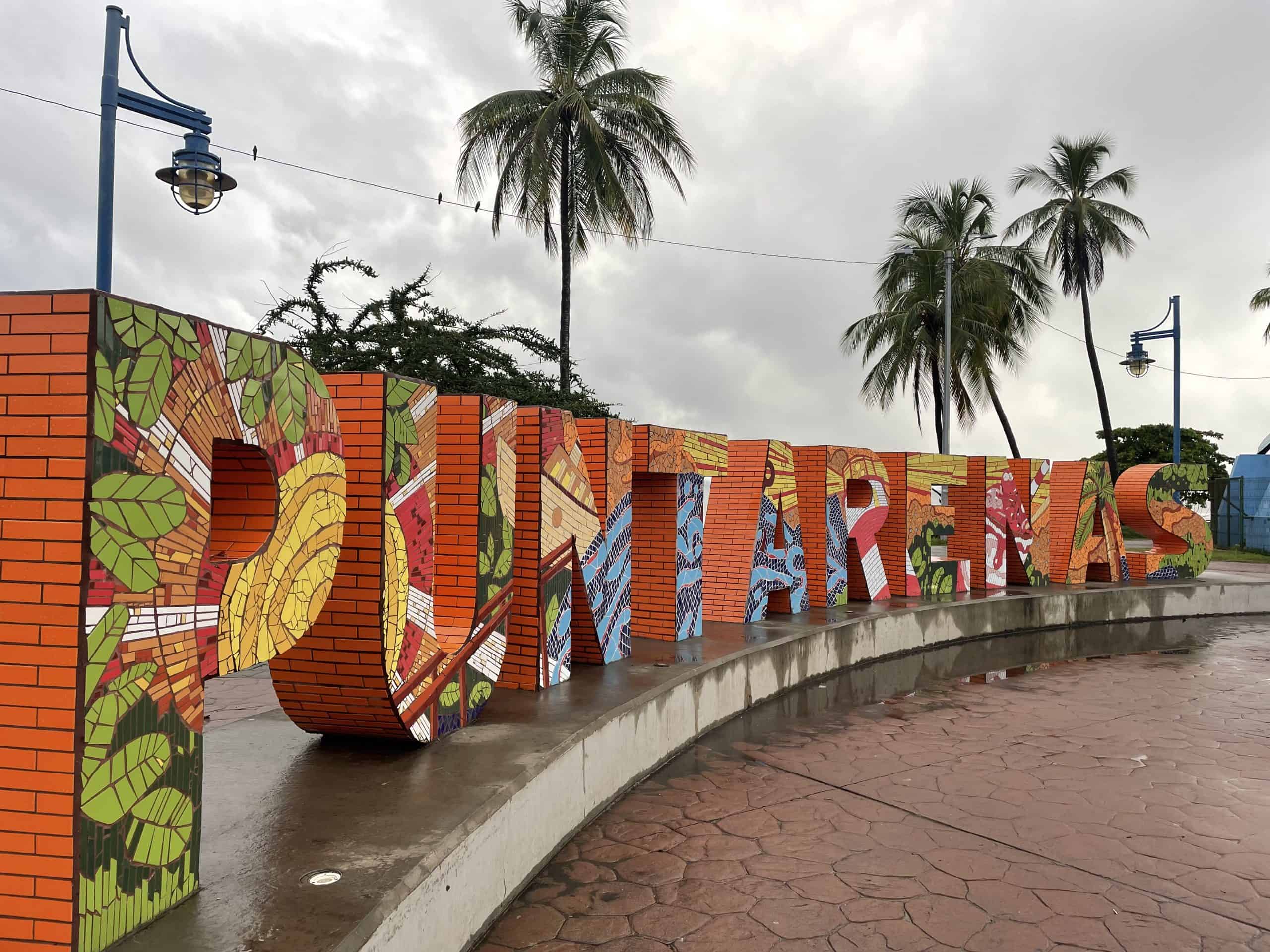
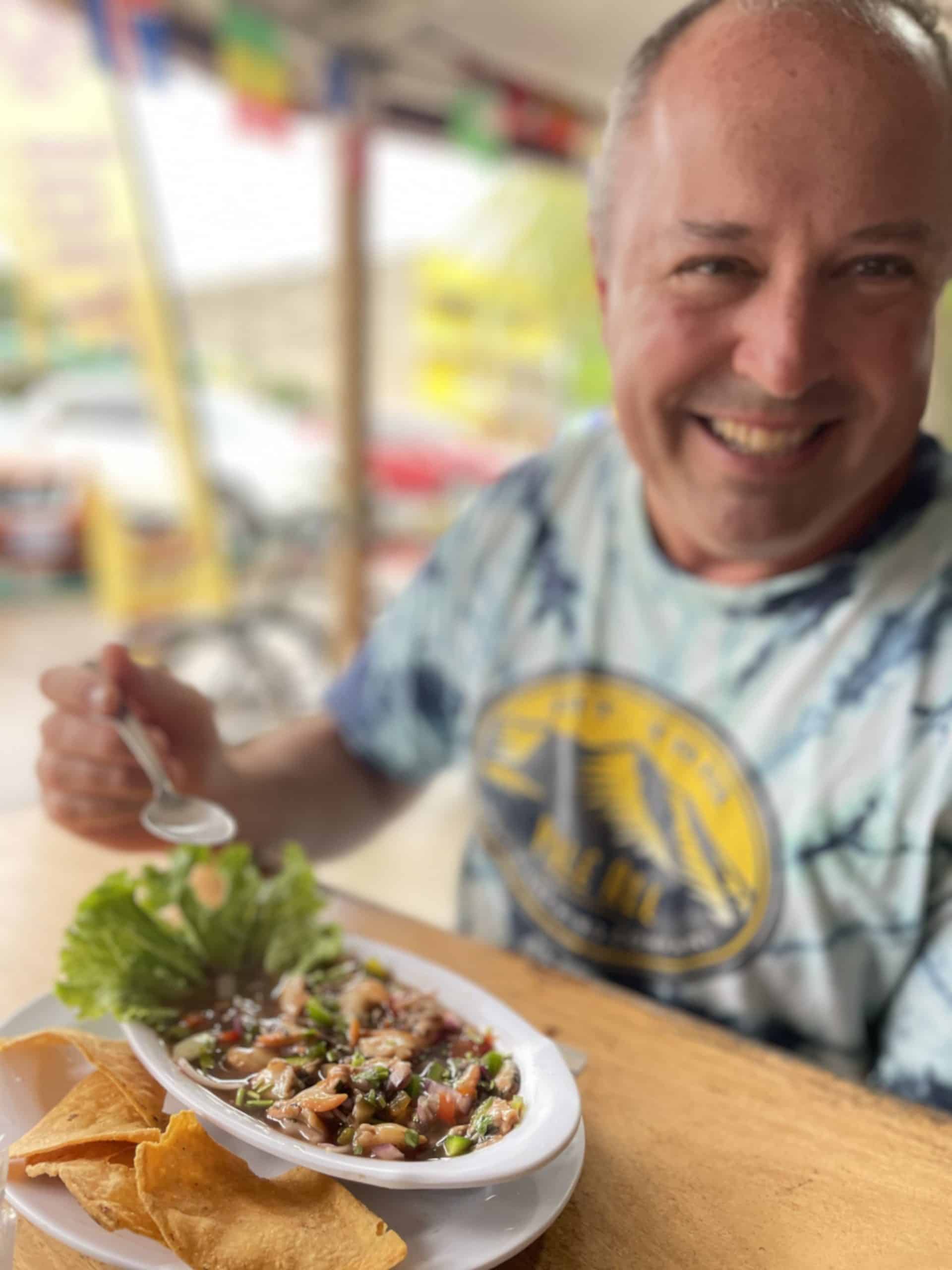
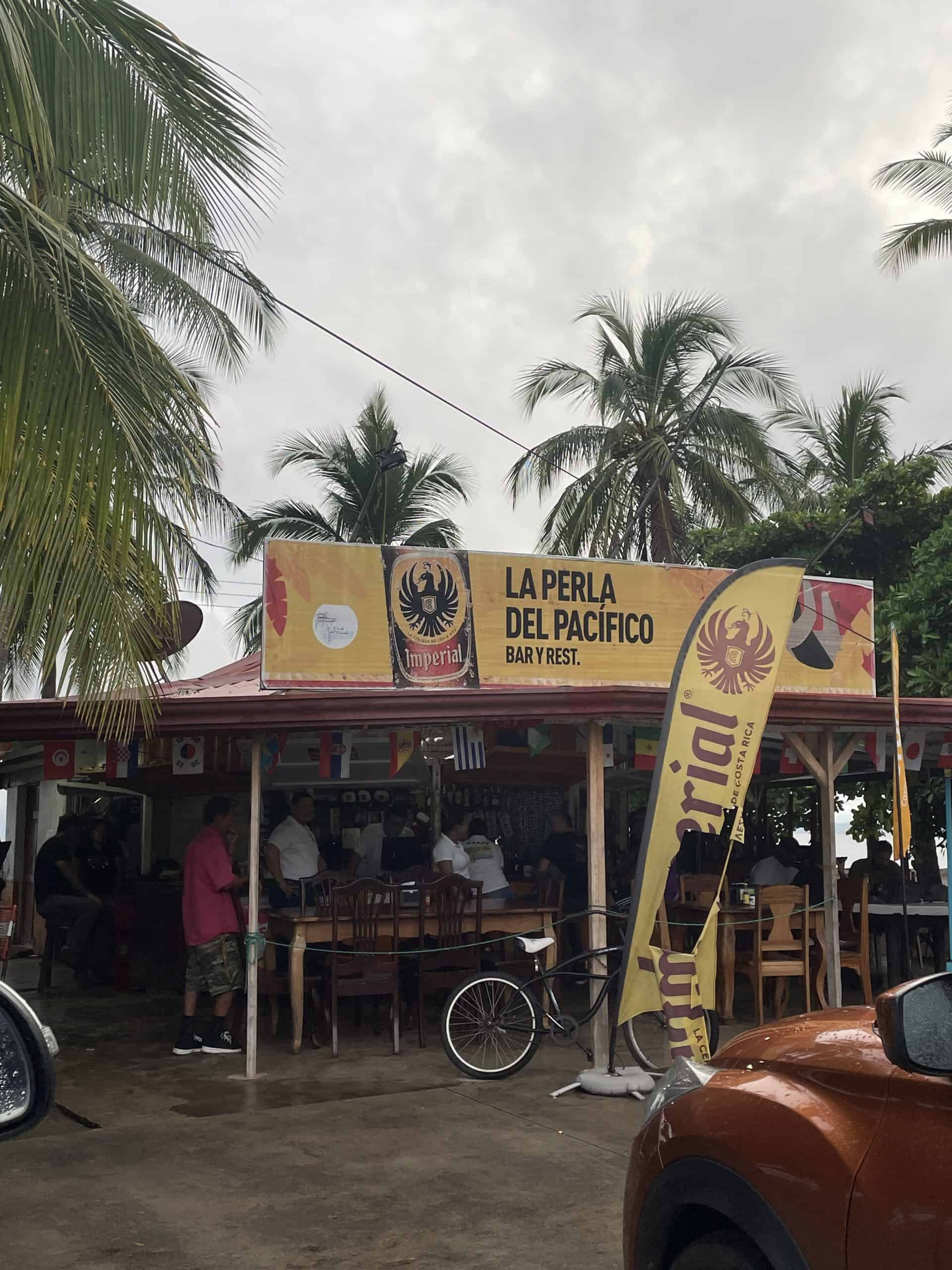
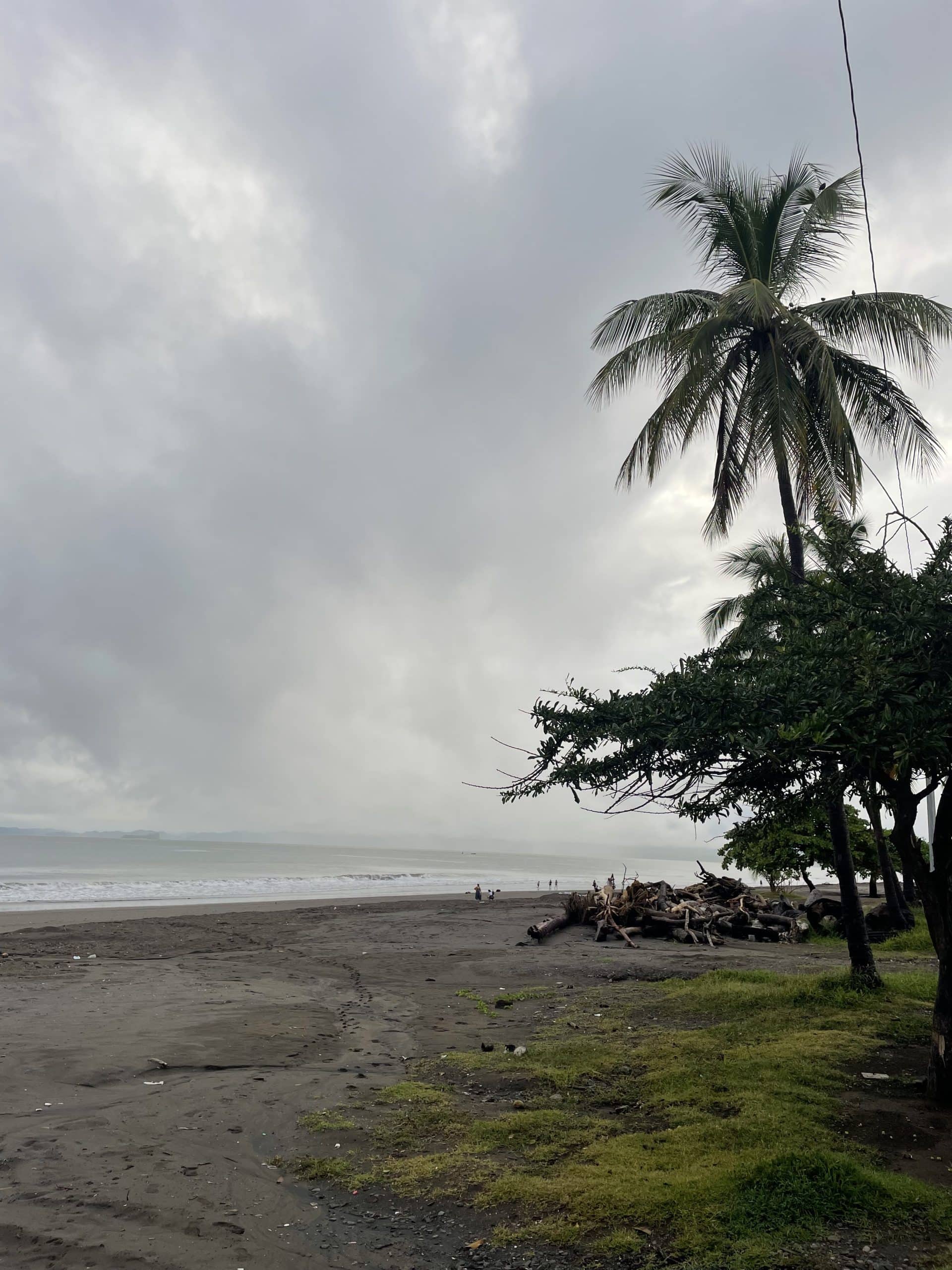
Between the Natuwa Wildlife Sanctuary and San José is the small fishing village of Puntarenas. Located on a small peninsula in the Gulf of Nicoya, Puntarenas is the perfect place to get fresh seafood, including fresh ceviche and arroz con mariscos.
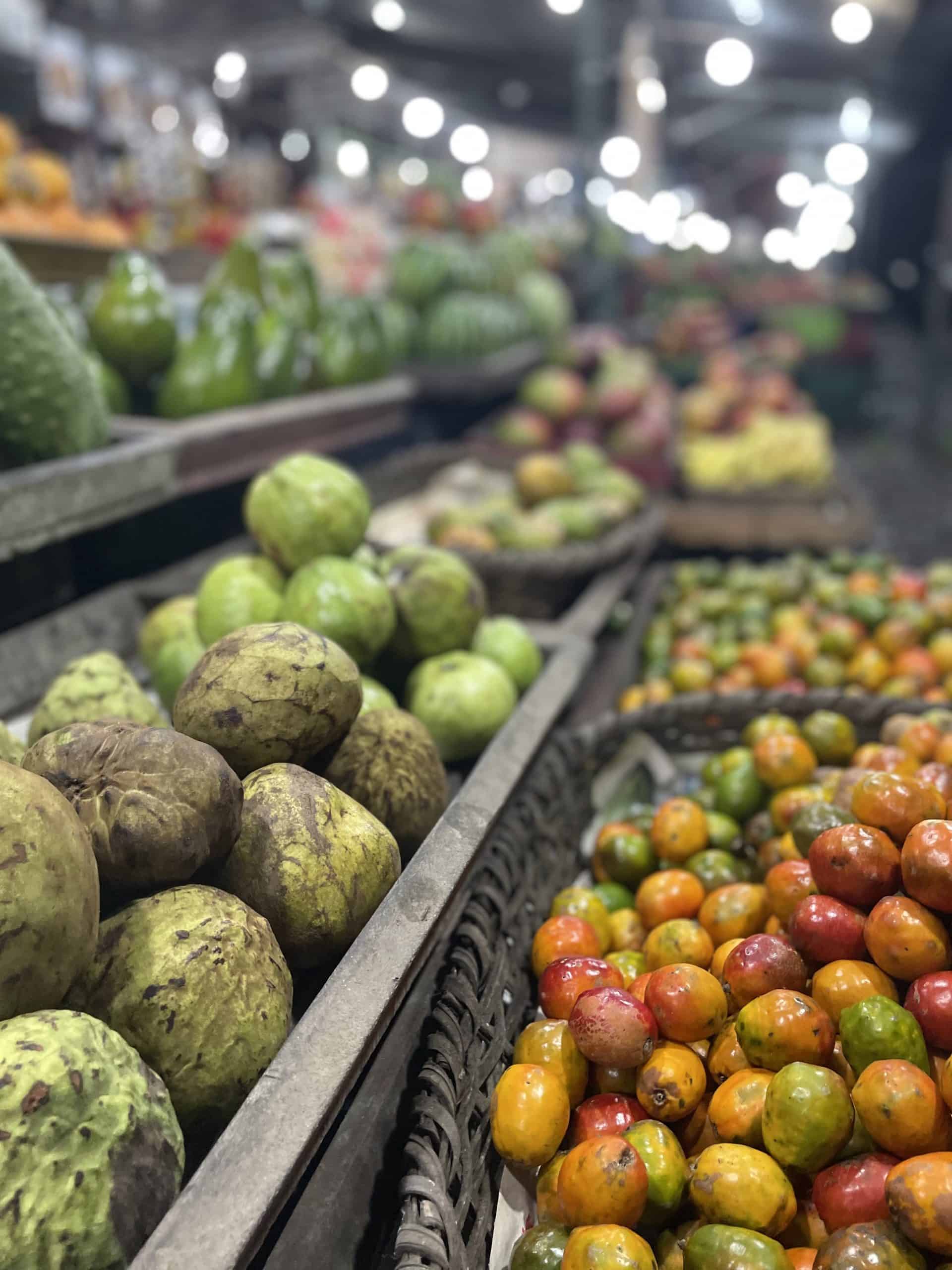
Between Puntarenas and San José, make sure to stop at one of the many roadside fruit stands to pick up some snacks for later. Fresh fruits are definitely one of Costa Rica’s treasures!
Pacuare River, Limón Province
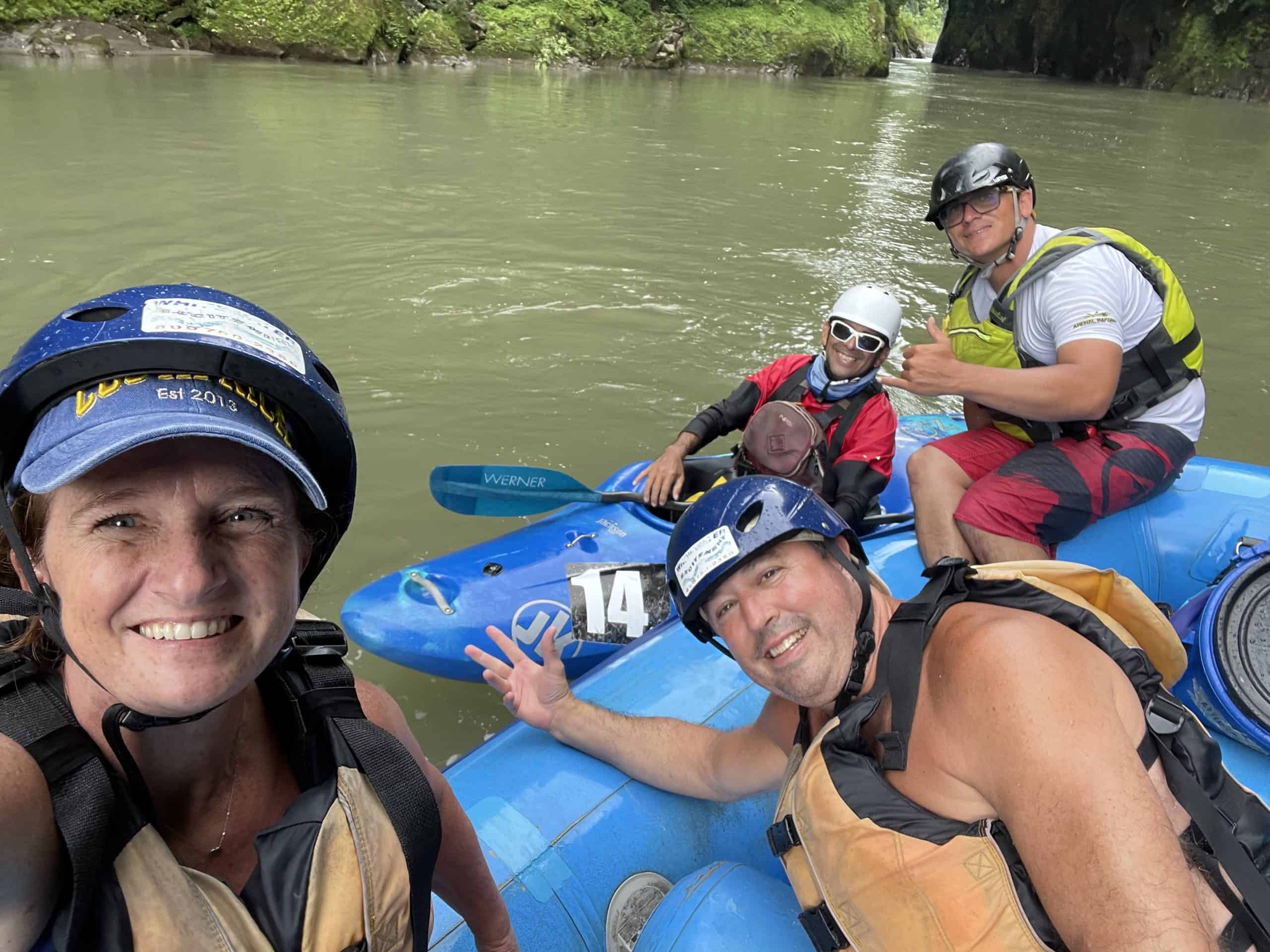
From San José, it’s possible to plan an excursion on the eastern coast of Costa Rica in the Limón Province.
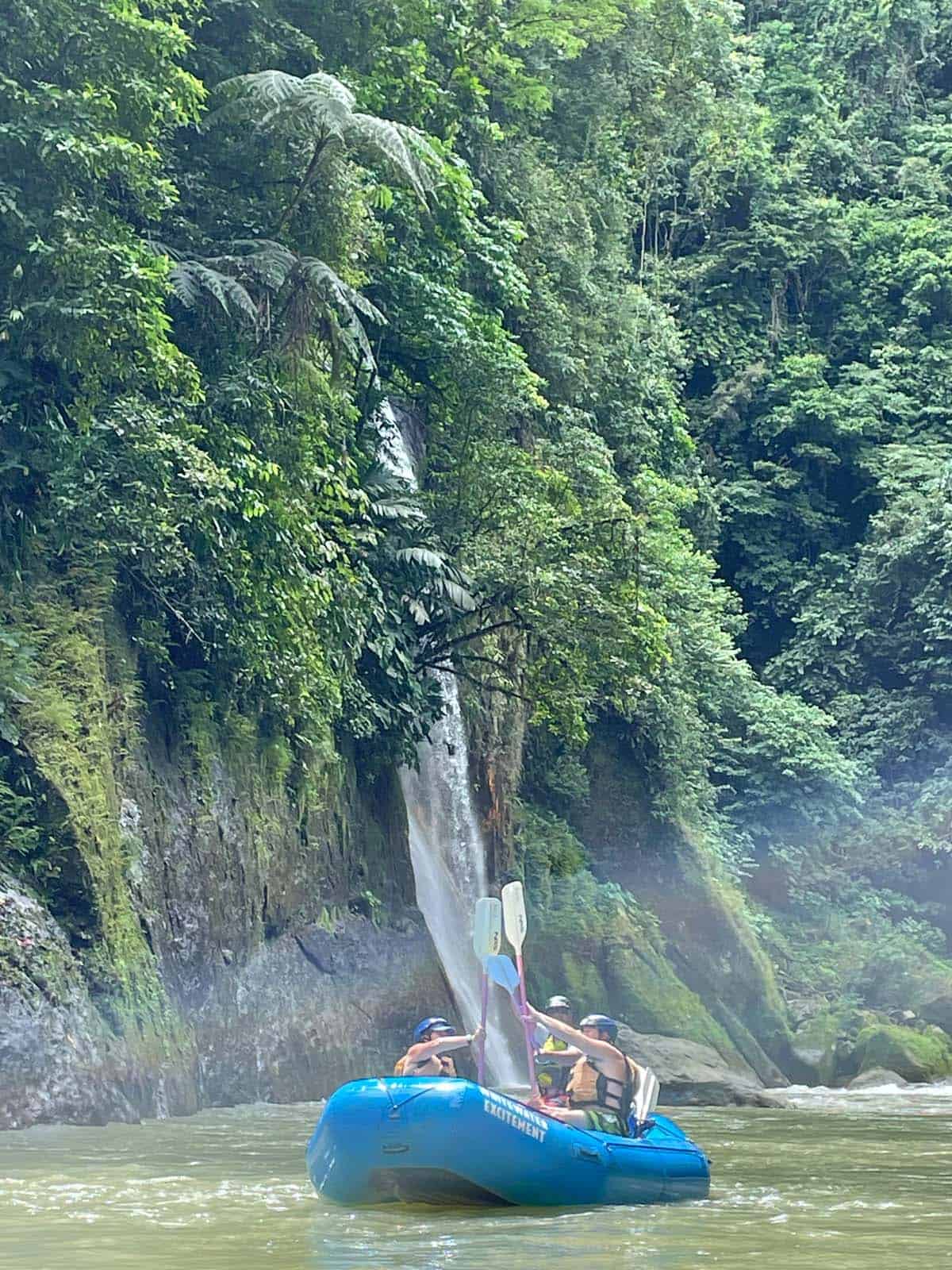
White water rafting down the Pacuare River could be the best way to spend a day in Costa Rica! We booked a group tour through Tripadvisor.com that included transportation from our hotel in San José to the Caribbean side of Costa Rica, about 2 1/2 hours away. To our surprise, the tour turned out to be just the two of us and our two guides – Diego in the raft with us and Jorge kayaking alongside for safety. Friends who took the same tour on a later trip rafted with a larger group.
The trip down the river is 30k (approx. 18 miles) and features four class 4 rapids, eight class 3s, and several class 2s. If you’ve never gone white water rafting and the thought of that sounds intimidating – you’re not alone. But the guides are there to make the experience easy, fun and safe.
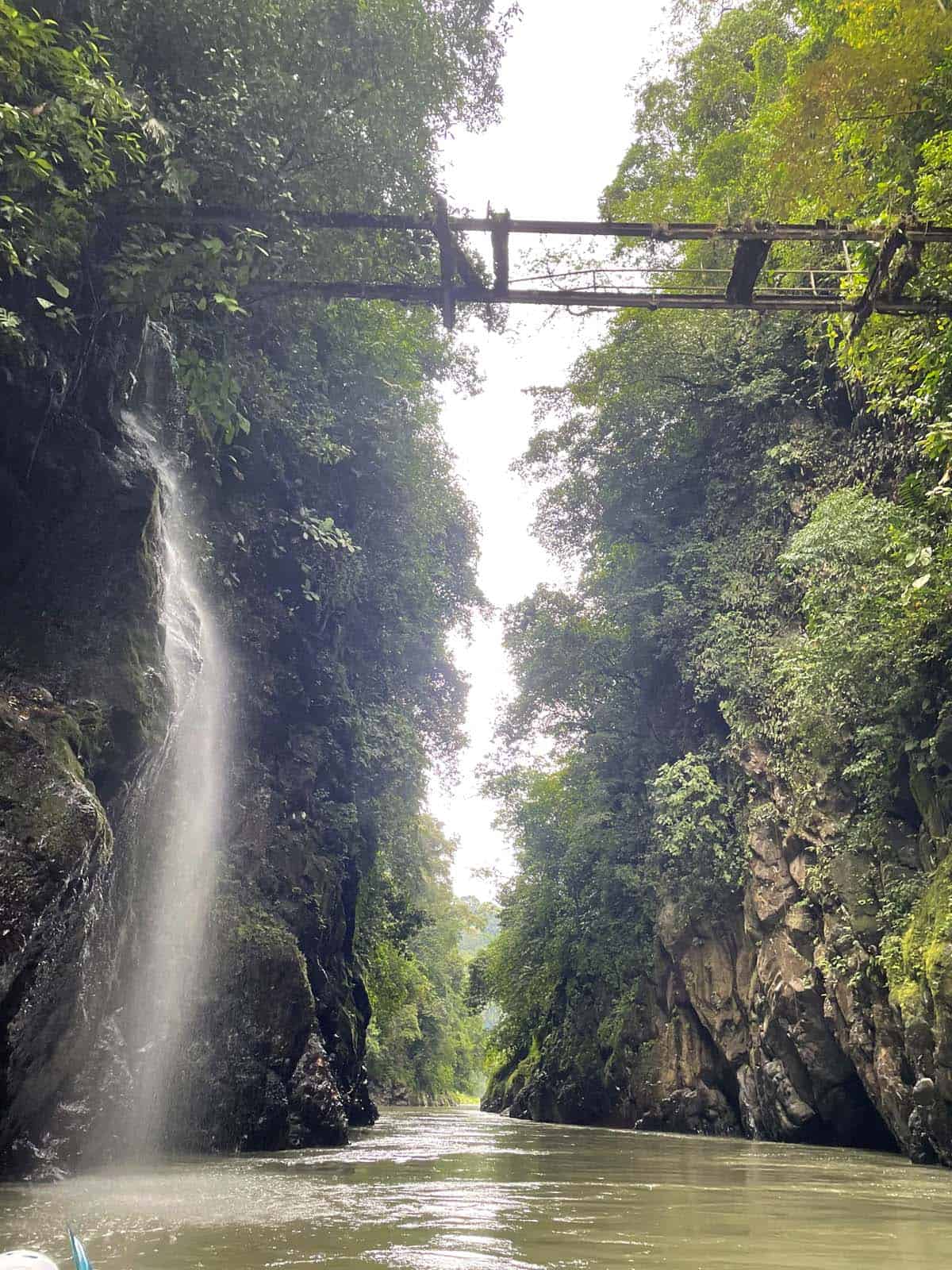
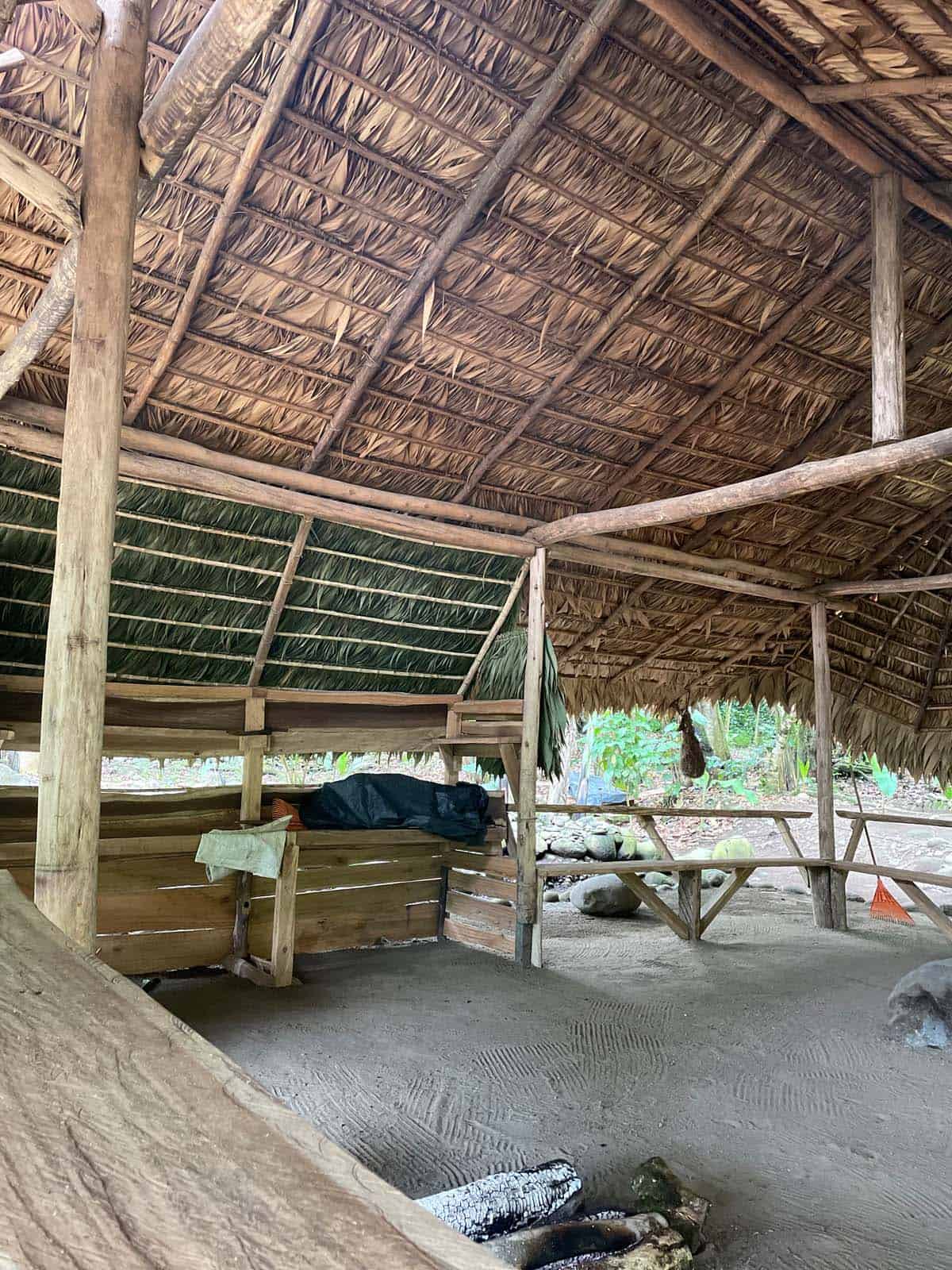
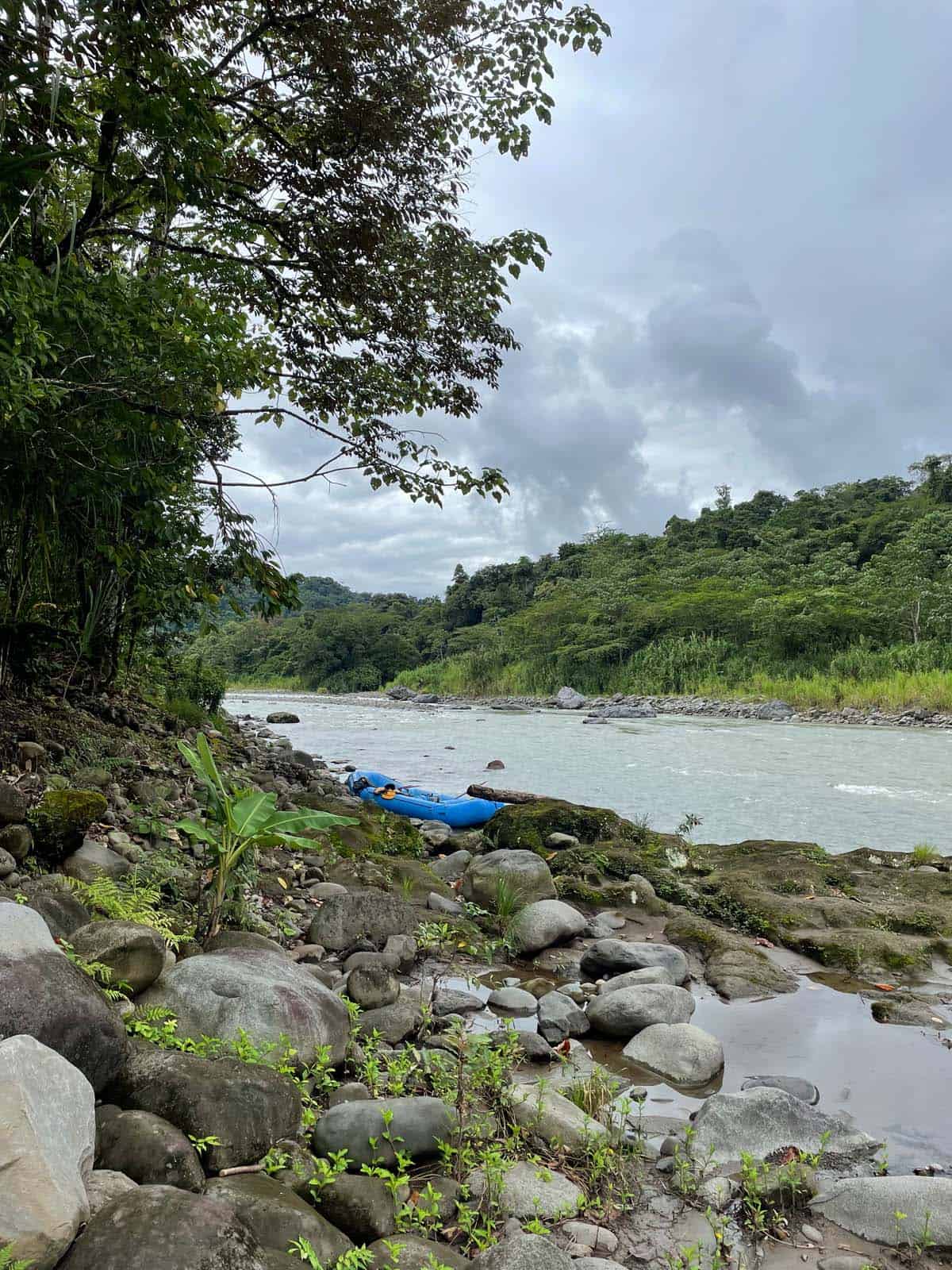
Along one side of Río Pacuare is the rain forest where some of Costa Rica’s indigenous people live. One family welcomed us to their home where we enjoyed a buffet lunch halfway into our trip down river and we learned a bit about how they live.
All along the river, you’ll see so many birds and butterflies and waterfalls. If this isn’t Pura Vida, I don’t know what is.